

Underwater Pipeline Corrosion Protection: Advanced Solutions for Long-Term Offshore Asset Integrity
Offshore pipelines are considered to be one of the most precious assets in the energy sector worldwide, as oil, gas, and other important assets are transported through extensive networks of pipelines in the ocean. But these assets work in very corrosive marine conditions where continuous interaction of seawater, dissolved oxygen, microorganisms, and extreme conditions of operation can greatly increase the rate of material deterioration. This renders Underwater Pipeline Corrosion Protection as a cornerstone in ensuring long-term integrity of offshore assets, operational safety, and environmental compliance.
With offshore developments now being in deeper waters and more hostile conditions, operators are turning to more high-technology corrosion prevention systems, protective coating, and integrity management systems to ensure the utmost possible life of the pipeline and restrict the cost of their lifecycle.
Why Corrosion Is a Major Threat to Offshore Pipelines
One of the major causes of pipeline failures in the world is corrosion. Subsea structures are exposed to distinct difficulties because of constant exposure to harsh marine environments that have the potential to deteriorate steel surfaces.
Some of the common causes of corrosion of pipelines include:
- Saltwater exposure
- Electrochemical reactions
- Microbiologically induced corrosion (MIC).
- Mechanical coating damage
- Temperature fluctuations
- Chemical contaminants
In the absence of proper protection systems, corrosion may lead to leakages, loss of production, costly repair, and environmental hazards.
The Importance of Subsea Pipeline Corrosion Prevention
Subsea Pipeline Corrosion Prevention is an active strategy to prevent the deterioration of the pipeline before it can affect performance. The new prevention practices are aimed at developing several layers of defense that can operate in tandem to minimize the risks of corrosion over the lifecycle of the asset.
Key objectives include:
- Extending service life
- Reducing maintenance costs
- Improving operational reliability
- Minimizing environmental impact
- Enhancing safety performance
Through extensive prevention efforts, offshore operators may considerably enhance long-term asset value.
Advanced Offshore Pipeline Protection Systems
Contemporary Offshore Pipeline Protection Systems integrate the use of coating, cathodic protection solutions, inspection programs, and integrity monitoring solutions to offer total protection against corrosion.
Protective Barrier Coatings
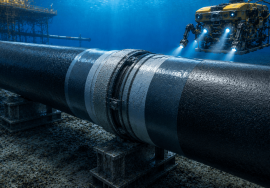
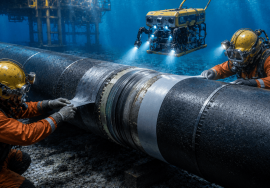
High-performance coating systems form a physical barrier to the corrosive marine environments on steel surfaces. These coating prevent moisture, oxygen, and chemical penetration that lead to corrosion.
Popular coating technologies are:
- Fusion Bonded Epoxy (FBE)
- Three-Layer Polyethylene (3LPE)
- Three-Layer Polypropylene (3LPP)
- Polyurethane Coatings
- Abrasion-Resistant Overcoats
These systems are common in offshore oil and gas infrastructure, as they are known to be resistant to corrosion and durable.
Marine Anti-Corrosion Coatings
The Modern Marine Anti-Corrosion Coatings are developed to survive the extreme sub marine environment and is able to perform over the long term. These coating offer outstanding adhesion, impact resistance, and exposure to seawater.
Benefits include:
- Enhanced corrosion resistance
- Reduced maintenance requirements
- Increased structural durability
- Improved operational lifespan
In the offshore setting, it is important to select the right coating system that will facilitate effective pipeline protection.
Cathodic Protection for Pipelines: An Essential Defense Layer
Although the coatings are the initial form of defense, Cathodic Protection of Pipelines is a second level of protection that assists in the prevention of electrochemical corrosion.
Cathodic protection operates by managing the corrosion responses on the pipeline surface by using:
Sacrificial Anodes
The metal parts are specially made to corrode rather than the pipeline itself, thus ensuring that critical infrastructure is not damaged.
Impressed Current Systems
These systems operate on external electrical currents to regulate the corrosion activity, and they are commonly used in large offshore projects that need long-term protection.
Cathodic protection can be used in combination with high-performance coating, and in doing so, the effectiveness of corrosion prevention would be greatly increased.
Emerging Technologies in Corrosion Management
Innovative solutions to enhance the monitoring and prevention of corrosion are being constantly implemented in the offshore industry.
Smart Corrosion Monitoring
The new hi-tech sensors are used to show real-time information about the rate of corrosion, environmental conditions, coating performance, and allow proactive maintenance planning.
Predictive Analytics
The technologies of artificial intelligence and machine learning process the data on inspection to determine the trends and predict the possibility of corrosion problems before a failure takes place.
Remote Inspection Solutions
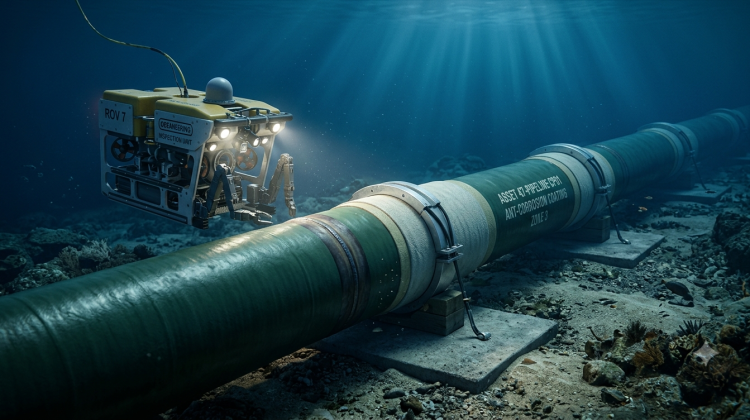
ROVs that have high-resolution imaging systems enable the operator to conduct detailed inspections without interfering with the offshore operations.
These technologies assist in more efficient maintenance strategies and enhance the overall reliability of the assets.
Offshore Asset Integrity Management: A Holistic Approach
Offshore pipeline protection can not only be achieved through coatings and cathodic protection. Successful Offshore Asset Integrity Management is a multidisciplinary approach involving engineering, monitoring, inspection, and maintenance practices.
The main aspects of integrity management are:
- Corrosion risk assessments
- Regular inspections
- Non-destructive testing (NDT)
- Maintenance planning
- Data-driven decision-making
- Regulatory compliance monitoring
An integrity management program allows operators to find out the vulnerabilities in a timely manner and to have safe and reliable operations during the lifecycle of the assets.
Best Practices for Long-Term Pipeline Protection
A combination of preventive measures should be used to achieve maximum performance and longevity of an offshore operator:
- Use high-performance coating systems.
- Provide good cathodic protection.
- Conduct routine inspections
- Measure the corrosion rates on a regular basis.
- Perform risk-based maintenance
- Employ high-technology integrity management systems.
A proactive strategy is used to minimize operational risks and maximize the long-term infrastructure performance.
Frequently Asked Questions (FAQs)
Q1. What is underwater pipeline corrosion protection?
Ans: It is the procedures, technologies, and systems employed to avert corrosion and degradation of subsea pipelines that are in marine environments.
Q2. Why is corrosion a significant problem when it comes to offshore pipelines?
Ans: Offshore pipelines are constantly subjected to seawater, oxygen, and unfavorable environmental forces that hasten the wear and tear of metals.
Q3. What are some of the principles of marine anti-corrosion coatings?
Ans: These finishes form a protective layer that does not allow moisture, oxygen, or corrosives to penetrate the steel surface.
Q4. What is cathodic protection for pipelines?
Ans: Cathodic protection is a corrosion control technique that involves the use of sacrificial anodes or impressed current systems to inhibit the electrochemical degradation.
Q5. Why is offshore asset integrity management important?
Ans: It assists operators in keeping track of the condition of assets, risk management, extending service life, decreasing the cost of maintenance, and ensuring safe operations.
Conclusion
With the growing complexity and the value of offshore infrastructure, Underwater Pipeline Corrosion Protection has become crucial in ensuring the reliability and performance over the long run. Through a synthesis of advanced coating technology, cathodic protection systems, corrosion monitoring tools, and an overall integrity management practice, operators can greatly lessen the risk of corrosion and the lifetime of the assets.
Investment in new corrosion prevention solutions is not only a way to protect the offshore critical assets but also enhances safety, reducing the environmental impacts and ensuring sustainable operations on the long term in a harsh undersea environment.