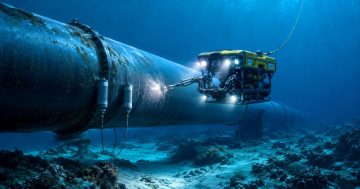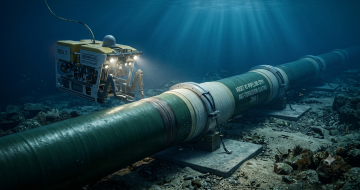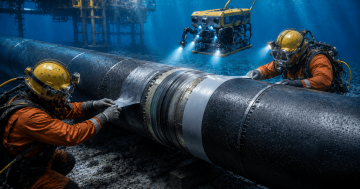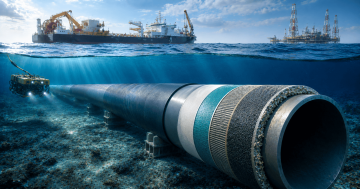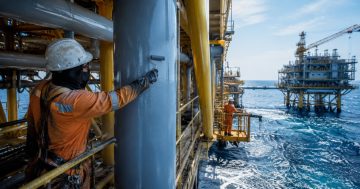

Offshore infrastructures are working in one of the harshest environments in the world. Repetitive contact with saltwater, humidity, ultraviolet radiation, temperature changes, and chemical pollutants may hasten corrosion and greatly decrease the lifetime of
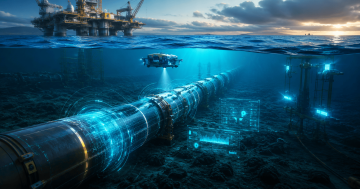
The offshore pipelines comprise one of the most important assets in the world energy sphere, since the oil, gas, and other resources are conveyed within large underwater systems. Nevertheless, the constant contact with seawater,
Offshore pipelines are an important infrastructure that plays a role in the transport of oil, gas, and energy resources in large marine environments. These assets work in harsh conditions such as high pressure, exposure
Offshore pipelines are considered to be one of the most precious assets in the energy sector worldwide, as oil, gas, and other important assets are transported through extensive networks of pipelines in the ocean.
Offshore pipelines are highly important assets that convey oil, gas, and other resources over extensive subsea systems. Although these pipelines are usually fabricated using high-performance protective coatings, the welded joints formed during installation need
Offshore pipelines are the foundation of energy transportation in the world, as they transport oil, gas, and other important resources over extensive networks using underwater pipelines. Although the current pipeline systems are designed to
The offshore energy sector requires a stable offshore system to sustain the unbroken operations and environmental safety. Submarine pipelines are constantly exposed to marine growth, salt water, pressure variations, and chemical corrosion. These assets
Offshore energy infrastructure is one of the most prized and highly technical assets worldwide. Subsea pipelines and risers, offshore platforms, and underwater structures, among others, are in very aggressive marine environments where corrosion, mechanical