


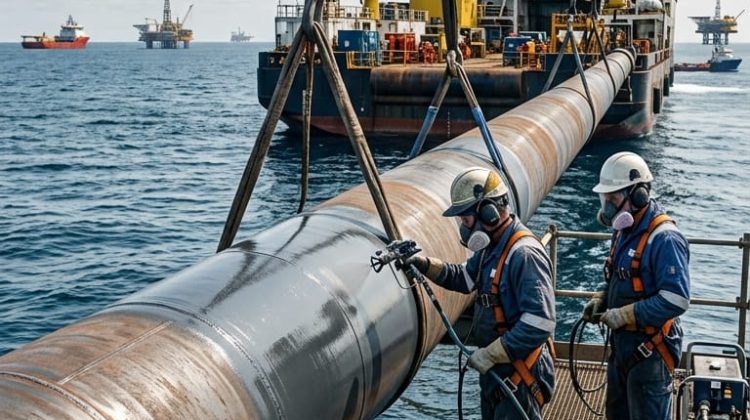
Marine Pipeline Coating Specialists: Advanced Solutions for Long-Term Corrosion Protection
Marine pipelines play a vital role in the energy, offshore, and marine transportation sectors of the world, transporting oil, gas, chemicals, and other resources safely in some of the most adverse conditions on the planet. Corrosion is one of the biggest threats to the performance of pipelines due to constant exposure to seawater, chlorides, changing temperatures, and marine organisms, as well as mechanical stress. This is the reason why highly qualified Marine Pipeline Coating Specialists are critical in safeguarding the key infrastructure and guaranteeing long-term operations.
The current coating technologies have developed much beyond simple corrosion prevention. The modern sophisticated systems are a combination of high-performance materials, accurate application techniques, and holistic integrity management policies to ensure maximum pipeline life and minimize maintenance costs and environmental hazards.
Why Marine Pipelines Need Advanced Protective Coatings
As opposed to onshore pipelines, subsea and marine pipelines are continuously exposed to highly corrosive conditions. Unless assets are properly safeguarded, saltwater, hydrostatic pressure, abrasive seabed materials, and biological growth may lead to accelerated deterioration.
The following are some of the most frequent causes of pipeline degradation:
- Saltwater corrosion
- Mechanical abrasion
- Damage during installation caused by coating.
- Temperature fluctuations
- Chemical exposure
- Marine biofouling
Lack of a thorough protection plan will result in leakage, expensive repairs, downtime of production, and regulatory hurdles due to corrosion.
Understanding Marine Pipeline Corrosion Protection
Effective Marine Pipeline Corrosion Protection is a set of engineering solutions that are used together to eliminate corrosion during the pipeline service life.
Such protection strategies usually entail:
- External protective coatings
- Cathodic protection systems
- Corrosion monitoring technologies
- Routine inspections
- Preventive maintenance programs
The multi-layer protection can greatly enhance reliability and lower the lifecycle cost.
Offshore Pipeline Coating Services: The First Line of Defense
Professional Offshore Pipeline Coating Services are necessary in the formation of a permanent shield between the steel surfaces and the hostile marine environment.
An engineered coating system has some valuable advantages:
- Prevents seawater penetration
- Reduces corrosion rates
- Protects against mechanical damage
- Improves resistance to chemicals
- Extends operational lifespan
The proper choice of coating will be dependent on the pipeline temperature, installation, water depth, and the longevity of the service.
Types of High-Performance Pipeline Coatings
The offshore projects today employ a number of advanced coating technologies that are specific to the operating conditions.
Fusion Bonded Epoxy (FBE)
Fusion Bonded Epoxy is known to have a high adhesive power, resistance to corrosion, and high durability. It is usually applied to offshore transmission pipelines and subsea infrastructure.
Three-Layer Polyethylene (3LPE)
The 3LPE systems are used to provide an excellent level of mechanical protection and corrosion resistance by combining an epoxy primer and a layer of adhesive with a polyethylene outer coating.
Three-Layer Polypropylene (3LPP)
In case pipelines are used at high temperatures, 3LPP coatings are very thermal stable and better offshore resistant.
Polyurethane Coatings
Polyurethane systems are appreciated due to their flexibility, wear resistance, and long-term durability when used in dynamic marine conditions.
These technologies are widely used as Subsea Pipeline Protective Coatings for offshore oil and gas projects around the world.
The Importance of Surface Preparation
Even the best quality coating cannot work without good surface preparation.
The main tasks of professional coating specialists include:
- Abrasive blasting
- Surface contamination removal
- Surface profile inspection
- Environmental condition monitoring
- Coating adhesion testing
Proper preparation will provide the maximum adhesion of coating and will enhance greatly the long term performance.
Marine Asset Integrity Solutions Beyond Coatings
Coatings are essential in offering vital corrosion protection, but extensive Marine Asset Integrity Solutions do not rely solely on surface treatments.
Contemporary integrity programs combine:
Corrosion Monitoring
There are continuous monitoring systems that can identify early signs of degradation prior to failures.
Cathodic Protection
Additional electrochemical protection against corrosion is with sacrificial anodes and impressed current systems.
Digital Asset Management
Progressive software platforms gather inspection records, check coating effectiveness, and aid predictive upkeep arrangements.
Risk-Based Inspection
The priority of inspection schedules is based on the state of the assets, the environment, and importance.
All these solutions combined can enable operators to achieve maximum reliability and reduce operational disruptions.
High-Performance Anti-Corrosion Coatings for Offshore Applications
The engineered High-Performance Anti-Corrosion Coatings are designed to survive many decades of offshore exposure to severe conditions.
Key characteristics include:
- Excellent adhesion
- Low water permeability
- High impact resistance
- UV stability
- Chemical resistance
- Abrasion resistance
These coatings are commonly applied to:
- Offshore pipelines
- Subsea flowlines
- Risers
- Offshore platforms
- Marine terminals
- Steel support structures
With the choice of sophisticated coating systems, operators could save a lot of maintenance needs and increase the life of infrastructures.
Emerging Trends in Marine Pipeline Protection
The offshore industry still adopts new technologies that enhance the performance of coatings and the management of assets.
Smart Coating Technologies
The coatings used in the new generation come with self-monitoring features that are used in identifying damage before corrosion sets in.
Robotics and Automated Application
Coating equipment is automated to enhance the uniformity of the application and efficiency of the projects.
Sustainable Coating Solutions
Coating systems that are environmentally friendly and low-VOC are gaining momentum with offshore operators becoming more focused on sustainability.
Artificial Intelligence for Asset Management
Predictive maintenance systems based on AI use the received data on inspections to streamline the maintenance process and mitigate operational risks.
These new technologies are enabling offshore corrosion management to become a more data-focused and efficient process.
Frequently Asked Questions (FAQs)
Q1. What are the jobs of marine pipeline coating experts?
Ans: They are involved in designing, applying, inspecting, and maintaining protective coating systems that prevent corrosion and increase the life span of marine and offshore pipelines.
Q2. Why is marine pipeline corrosion protection important?
Ans: It prevents seawater, chemical, and environmental exposure of pipelines, which decreases corrosion, maintenance expenses, and operational hazards.
Q3. What are the typical offshore pipeline coating?
Ans: Fusion Bonded Epoxy (FBE), Three-Layer Polyethylene (3LPE), Three-layer Polypropylene (3LPP), and polyurethane are common coating systems.
Q4. What are underwater pipeline protective coatings?
Ans: They are coatings that are specialized to cover underwater pipelines against corrosion, abrasion, and mechanical damages.
Q5. What are the advantages of marine asset integrity solutions in enhancing the reliability of a pipeline?
Ans: They integrate coating, inspection, corrosion, cathodic protection, and predictive maintenance to guarantee safe and reliable long-term operation.
Conclusion
Coating offshore and subsea pipelines is not just a matter of coating, but a matter of technical expertise, materials, and an extensive strategy of integrity management. The Marine Pipeline Coating Specialists are seasoned experts who provide customized coating options to protect vital infrastructure against corrosion, environmental exposure, and mechanical damage.
Through innovative coating technologies, proactive maintenance, and the use of modern monitoring systems, offshore operators have the ability to increase the lifespan of their pipelines, enhance operational reliability, reduce lifecycle costs, and ensure long-lasting performance of their assets in the most challenging marine conditions.
