


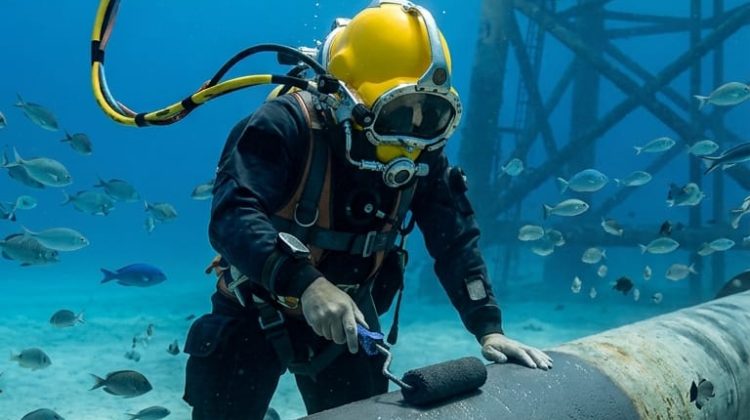
Underwater Protective Coating: Advanced Solutions for Long-Term Marine Asset Protection
Marine infrastructure is constantly exposed to some of the worst operating environments on the planet. Saltwater, dissolved oxygen, microorganisms, abrasion, and varying ocean conditions persistently attack offshore platforms, subsea pipelines, ship hulls, jetties, and underwater steel structures. Lack of reliable protection may cause corrosion to impair structural integrity, raise maintenance expenses and reduce the lifespan of assets. This is the reason why Underwater Protective Coating has become a very important aspect of the present day marine engineering and offshore asset management.
Modern coating technologies are far more than merely a seawater barrier. They are developed to withstand chemical assault, mechanical damage, biofouling, and prolonged immersion and nurture asset dependability, environmental conformity, and reduced lifecycle expenses. High-performance underwater coatings are critical in long-term asset protection of marine assets, whether in the protection of new infrastructure or in the extension of the lifespan of old assets.
Why Marine Assets Require Underwater Protective Coatings
In comparison with terrestrial structures, underwater ones need to work in a highly aggressive environment where corrosion is much quicker. Saltwater is a good electrolyte, which increases the rate of electrochemical reactions that corrode exposed surfaces of steel.
Common challenges include:
- Continuous seawater immersion
- Chloride-induced corrosion
- Marine biofouling
- Abrasion from sediments and currents
- Mechanical influence in the course of installation.
- Chemical exposure
- Change in temperature and pressure.
In the absence of proper protection, these aspects may lead to coating failure, structural damage, costly repairs, and downtime.
Understanding Underwater Anti-Corrosion Coatings
Contemporary Underwater Anti-Corrosion Coatings have been especially designed to operate in permanently wet conditions. They form a long-lasting coating that separates the surface of the steel from water, air, and corrosive impurities.
The main objectives of underwater coating systems are as follows:
- Preventing corrosion
- Improving structural durability
- Reducing maintenance frequency
- Increasing the life of the asset.
- Supporting environmental compliance
The choice of the appropriate coating system can be made based on the depth of the water, the operating temperature, the condition of the substrate and anticipated service life.
Marine Protective Coating Systems for Offshore Infrastructure
High-performance Marine Protection Coating Systems are multi-layered systems that offer total protection against marine deterioration.
Surface Preparation
Adequate surface preparation will eliminate rust and contaminants as well as former coating residues and leave the optimum profile of the surface on which to apply the coating.
Primer Layer
The primer is applied to the surface of the steel and enhances adhesion and does not allow the penetration of moisture.
Intermediate Barrier Coat
This coating enhances resistance to corrosion and offers extra mechanical strength.
Protective Topcoat
The last coating increases resistance to abrasion, chemicals, exposure to ultraviolet (in splash areas), and extended immersion in seawater.
A combination of these layers makes a strong defense system, which can endure the harsh offshore environments.
The Importance of Subsea Corrosion Protection
One of the most common causes of untimely offshore asset failure is corrosion. Effective Subsea Corrosion Protection is a combination of protective coatings and complementary technologies to provide long-term functionality.
The main protection measures are:
High-Performance Coating Systems
Fusion Bonded Epoxy (FBE) and polyurethane coating and other high-tech materials have superior seawater and mechanical damage resistance.
Cathodic Protection
Sacrificial anodes and impressed current systems minimize electrochemical corrosion by covering exposed steel surfaces.
Corrosion Monitoring
Continuous monitoring helps operators to detect the degradation of the coating in the initial stages and conduct maintenance before the situation worsens.
A combined corrosion management strategy can lead to much better asset reliability and minimization of repair costs.
Underwater Pipeline Coating for Long-Term Reliability
Modern Underwater Pipeline Coating solutions ensure the protection of subsea pipelines during installation and operation. The pipelines undergo incessant hydrostatic pressure, movement of the seabed, and abrasive conditions that require very tough protective mechanisms.
Technologies used to coating pipelines commonly include:
- Fusion Bonded Epoxy (FBE)
- Three-Layer Polyethylene (3LPE)
- Three-Layer Polypropylene (3LPP)
- Polyurethane coatings
- Abrasion-resistant overcoats
These systems aid in avoiding corrosion, enhancing mechanical protection, and ensuring long-term pipeline integrity.
Offshore Asset Protection Solutions Beyond Coatings
Coatings are crucial, but full Offshore Asset Protection Solutions may combine various technologies to ensure the protection of critical infrastructure.
In modern asset protection programs, it is usually comprised of:
- Risk-based inspections
- Cathodic protection systems
- Non-destructive testing (NDT)
- Digital corrosion monitoring
- Predictive maintenance
- Asset integrity management
With a combination of these solutions, offshore operators can optimize infrastructure performance and reduce operational risks.
Emerging Trends in Underwater Protective Coating Technology
The marine coating technology is yet to be developed to accommodate the challenging offshore requirements.
Smart Coatings
The next-generation coating can be used to monitor the early stages of coating degradation and corrosion prior to actual damage.
Environmentally Responsible Coatings
To ensure that the sustainability requirements are more stringent, manufacturers are coming up with low-VOC and environmentally friendly coating formulations that do not affect performance.
Robotic Coating Applications
Robotic systems enhance the uniformity of coating and minimize the risk of human exposure to undesirable offshore conditions.
AI-Driven Asset Management
Artificial intelligence processes the inspection and monitoring data to create optimal maintenance schedules and enhance asset performance over time.
These innovations are shaping the future of underwater corrosion protection.
Best Practices for Long-Term Marine Asset Protection
To optimise the performance of the coating as well as asset life, offshore operators must:
- Choose the appropriate coatings depending on the environment.
- Make sure you prepare the surface adequately.
- Perform regular inspections
- Maintain cathodic protection systems.
- Continuous monitoring of coating condition.
- Use active integrity management programs.
An overall protection policy reduces lifecycle expenses and enhances operational security and dependability.
Frequently Asked Questions (FAQs)
Q1. What is underwater protective coating?
Ans: Specialty coating is a type of coating used to cover submerged steel and marine structures to prevent corrosion, abrasion, and prolonged exposure to seawater.
Q2. What are the reasons why underwater anti-corrosion coatings are important?
Ans: They eliminate corrosion, increase the life of assets, lower maintenance expenses, and enhance the reliability of offshore and marine infrastructure.
Q3. What do you mean by marine protective coating systems?
Ans: They comprise multi-layer coating systems, which are a combination of primers, barrier coats, and protective topcoats that are used to protect the marine assets against the harsh environmental factors.
Q4. How does subsea corrosion protection work?
Ans: It is a mixture of protective coating, cathodic protection, corrosion maintenance, and routine inspection to ensure the prevention of corrosion of underwater assets.
Q5. What does underwater pipeline coating have to offer?
Ans: Oil and gas pipeline coatings enhance resistance to corrosion, mechanical protection, operational stability, and the performance of the infrastructure over the long term.
Conclusion
With the ever-growing offshore projects into deeper waters and higher demanding operations, the need to invest in advanced Underwater Protective Coating systems has become imperative to protect the rich marine infrastructure. When using high-performance coating technologies along with corrosion monitoring, cathodic protection, and active management of equipment integrity, they can greatly increase the life cycle of equipment, decrease the cost of maintenance, and enhance long-term operating reliability.
An inclusive underwater protection approach not only helps to safeguard the important offshore resources, but also assists in safer operations, environmental responsibility, and sustainable performance across the entire lifecycle of the assets.
